The Best Food Markets in Italy
From Bologna's historic covered market to Naples' chaotic street stalls — the Italian food markets every traveller should visit at least once.
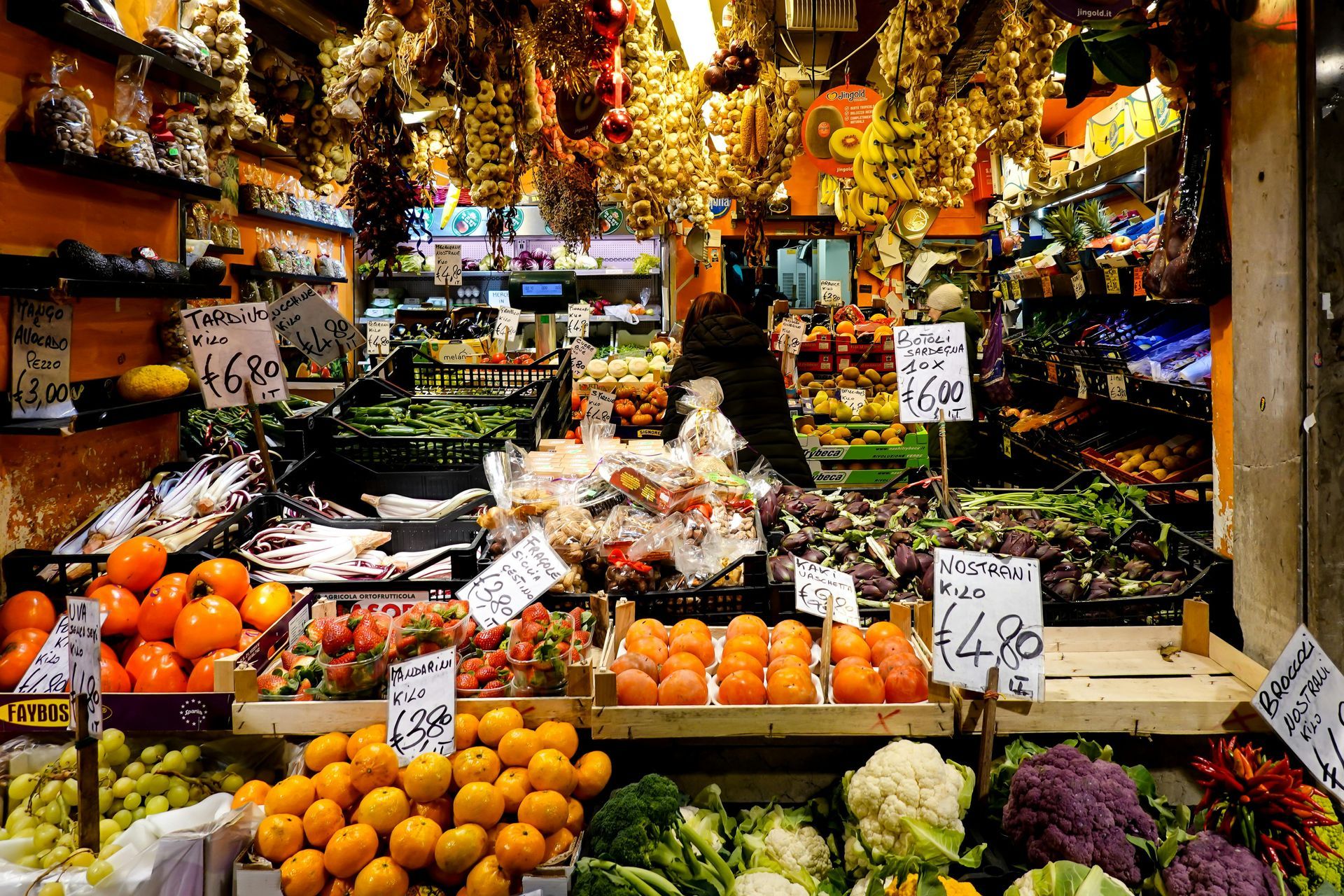
There is no better way to understand a city than through its market. In Italy, the mercato is not just a place to buy food — it's a theatre of daily life, a living museum of local culture and a direct connection to the land and the seasons.
Italian markets are loud, colourful and overwhelming in the best possible way. Vendors shout, grandmothers squeeze tomatoes, whole fish stare up from ice beds and the smell of fresh bread mingles with aged cheese and citrus peel.
Here are the best food markets in Italy — from the grand and historic to the small and unmissable.
##
Mercato di Mezzo, Bologna
Bologna is Italy's undisputed food capital, and its Mercato di Mezzo is the perfect introduction to why. Located in the heart of the medieval city, this covered market has been a centre of commerce since the Middle Ages.
Today it combines a traditional market on the ground floor — cheese, cured meats, fresh pasta, truffles — with a food hall upstairs where you can eat and drink surrounded by the city's finest producers.
Don't leave without trying: mortadella di Bologna, Parmigiano Reggiano aged 36 months, fresh tortellini and a glass of Pignoletto.
**
Best time to visit
:** Tuesday to Saturday morning, when the market is at its busiest and most authentic.
##
Mercato Centrale, Florence
Florence's Mercato Centrale is one of Italy's most beautiful market buildings — a stunning 19th-century iron and glass structure in the heart of San Lorenzo. The ground floor is a working market where Florentine families shop for meat, fish, fruit, vegetables and the city's famous lampredotto (tripe sandwiches).
The upper floor has been transformed into a food hall with some of Florence's best producers — pasta, pizza, gelato, wine, pastries and much more.
**
Must try:
** A lampredotto sandwich from Nerbone, one of the market's oldest stalls. It sounds challenging. It tastes extraordinary.
**
Pro tip
:** Come early on a Saturday when the flower market outside is also in full swing.
##
Campo de' Fiori, Rome
Campo de' Fiori is Rome's most famous outdoor market — and one of its most atmospheric. Set in a beautiful piazza in the historic centre, it runs every morning except Sunday and sells fruit, vegetables, fish, spices and street food.
It's not the cheapest market in Rome (the location attracts tourist prices) but the atmosphere is unbeatable. After the market closes at lunchtime, the piazza transforms into one of Rome's most popular aperitivo spots.
**
Must try
:** The spice vendors sell incredible dried herbs, chilli and porcini mushrooms. Perfect to take home.
**
Nearby
:** Mercato di Testaccio — slightly further from the centre but far more authentic, beloved by locals and increasingly by food-savvy visitors.
##
Mercato di Porta Nolana, Naples
If you want to understand Neapolitan cuisine, you need to go to Porta Nolana. This legendary fish market near the port is one of the most extraordinary food experiences in Italy — chaotic, pungent, theatrical and completely authentic.
Fishermen arrive at dawn with the night's catch. By mid-morning the market is in full swing — whole tuna, octopus, clams, sea urchins, everything pulled straight from the sea. Vendors shout prices, haggle, wrap fish in newspaper.
This is not a tourist experience. It is Naples in its rawest, most magnificent form.
**
Must try
:** Fresh raw sea urchins eaten standing at the market. Not for the faint-hearted. Absolutely unforgettable.
##
Mercato dell'Erbe, Bologna
Smaller and less famous than Mercato di Mezzo, the Mercato dell'Erbe is where Bolognesi actually shop. A covered market running since 1910, it sells fresh produce, meat, fish, cheese and prepared foods at prices the locals pay.
**
Must try
:** The prepared food stalls sell incredible ready-to-eat dishes — tortellini in broth, cotolette, fried crescentine. Perfect for a cheap, authentic lunch.
##
Mercato di Sant'Ambrogio, Florence
Florence's other great market — smaller and less touristy than Mercato Centrale. This is where the Oltrarno neighbourhood shops, and it has a wonderful neighbourhood feel. The produce is excellent and the prices are fair.
**
Must try
:** The tripe vendors outside the market sell lampredotto and trippa alla fiorentina from small carts. Queue behind the locals.
##
Fiera del Tartufo di San Miniato, Tuscany
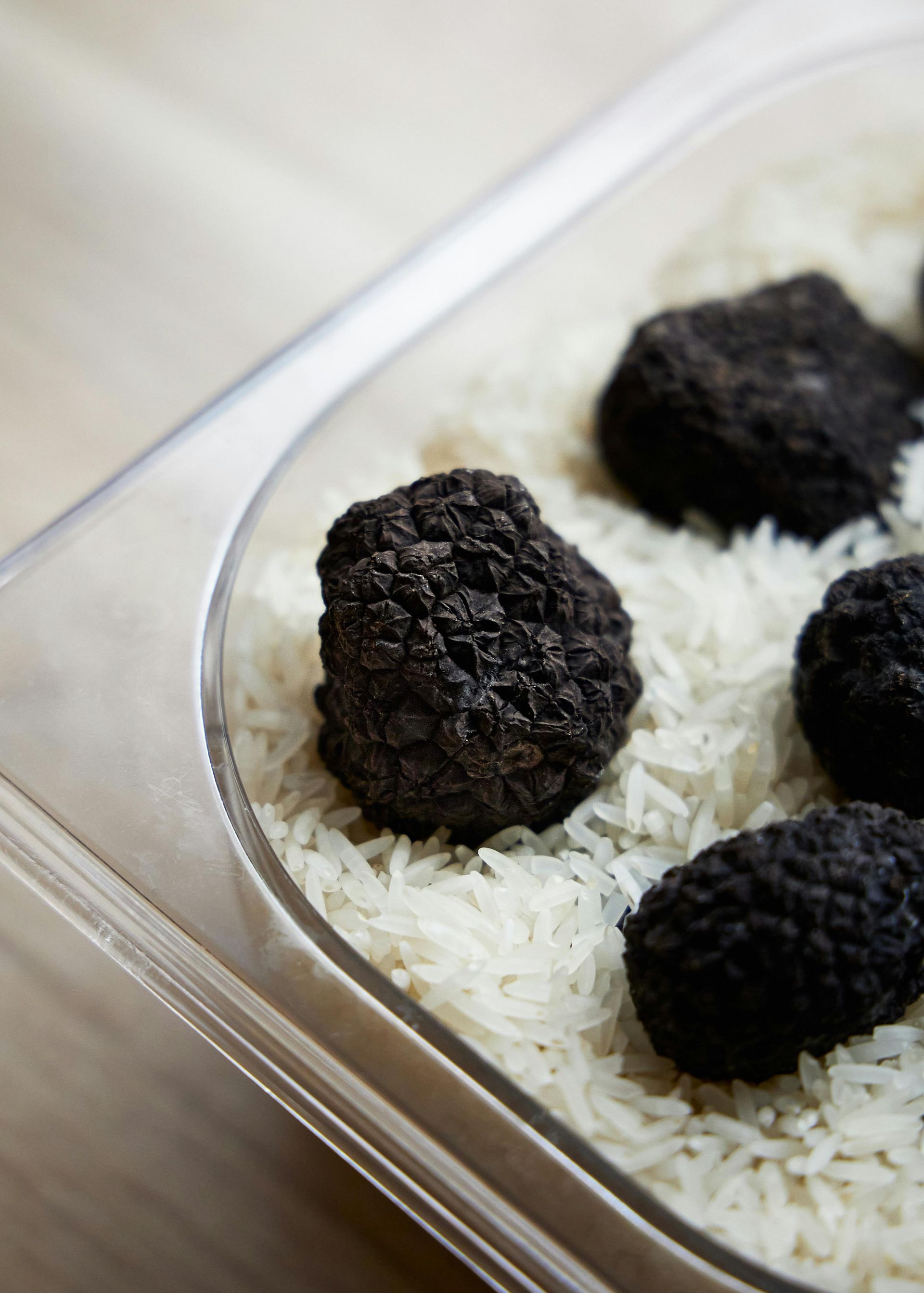
Not a permanent market but an annual event that deserves its place on this list. Every November, the hilltop town of San Miniato hosts one of Italy's most celebrated truffle fairs, dedicated entirely to the white truffle.
The scent hits you before you even enter the town. Stalls selling fresh white truffle, truffle products, local wines and traditional Tuscan food fill the medieval streets. It is extraordinary.
**
When
:** Three weekends in November.
##
Tips for visiting Italian food markets
**
Go early
.** The best produce goes first, and the atmosphere is most electric in the morning.
**
Bring cash
.** Many market vendors don't accept cards.
**
Don't be afraid to taste
.** Vendors expect it and often encourage it. A small taste before you buy is completely normal.
**
Learn a few words
.** Even a basic "quanto costa?" (how much?) or "posso assaggiare?" (can I taste?) will be warmly received.
**
Eat at the market
.** Many Italian markets have stalls selling prepared food, sandwiches and street food. This is often some of the best and cheapest eating in any Italian city.
##
Experience Italian markets with Mama's Experiences
Several of our experiences begin with a visit to a local market — choosing fresh ingredients with your host before heading to their kitchen to cook together. It's one of the most authentic ways to understand Italian cuisine from the very beginning.
👉
[Discover our market-to-table cooking experiences →]
---