Pizza Napoletana: The Secrets of Neapolitan Pizza
From the dough to the oven — the story, the science and the soul behind the world's most beloved pizza, as told by our hosts in Pompeii and Naples.
There are few things in the world as universally loved as pizza. But ask any Neapolitan and they'll tell you — what most of the world calls pizza bears little resemblance to the real thing.
Authentic Neapolitan pizza — pizza napoletana — is a UNESCO-protected art form. It has strict rules, centuries of history and a philosophy of simplicity that makes it both the easiest and hardest food in the world to perfect.
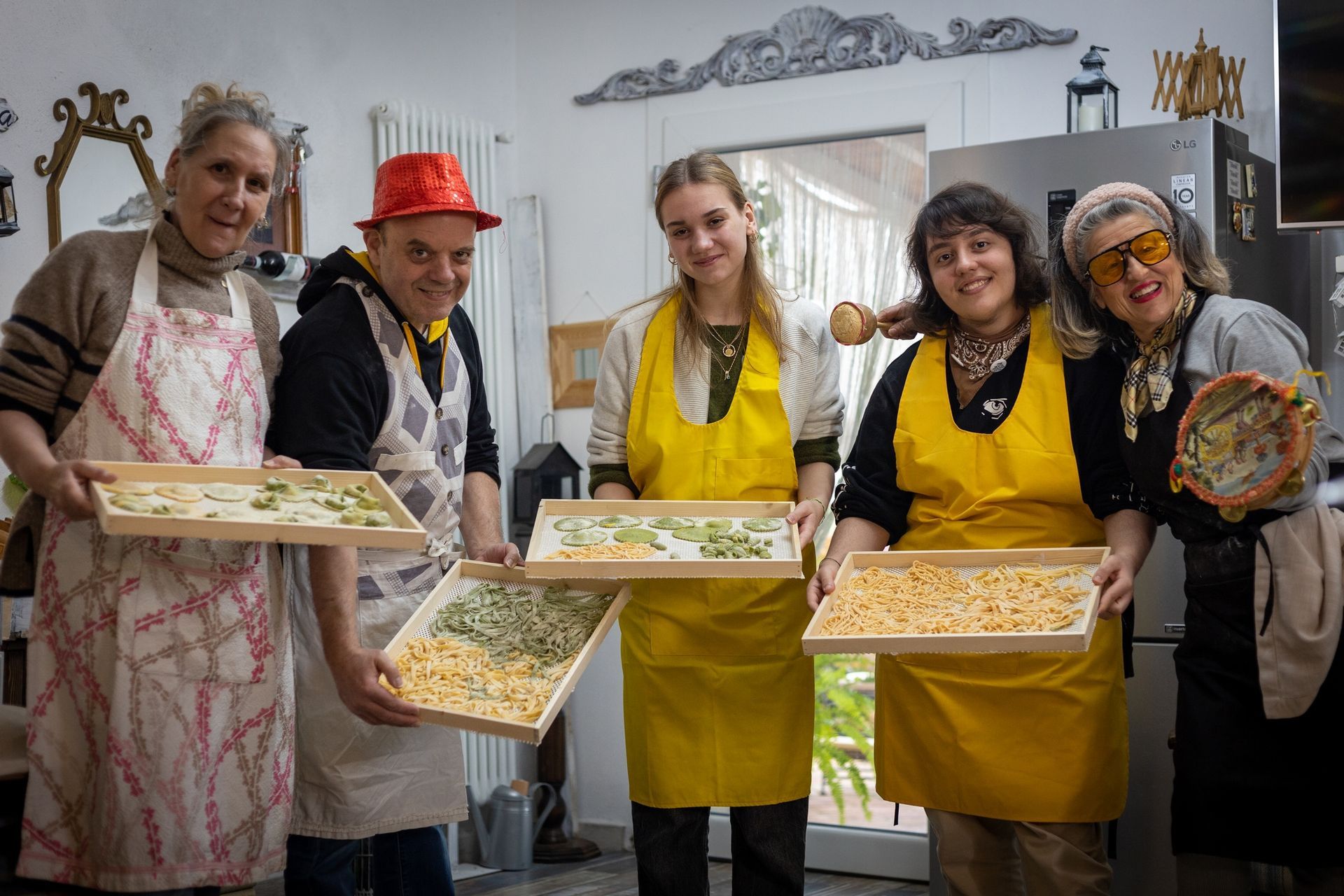
Here, our hosts Francesca and the team in Pompeii share the secrets behind the perfect Neapolitan pizza.
##
The history of Neapolitan pizza
Pizza as we know it was born in Naples in the 18th century, when tomatoes — brought from the Americas — were first added to flatbread by the city's street vendors. The original pizza was food for the poor: cheap, filling and eaten standing up in the street.
The turning point came in 1889, when pizzaiolo Raffaele Esposito created a pizza for Queen Margherita of Savoy, topped with tomato, mozzarella and basil — the colours of the Italian flag. The pizza margherita was born, and with it, the legend.
Today, Neapolitan pizza is protected by the Associazione Verace Pizza Napoletana (AVPN), which sets strict standards for ingredients, technique and baking. Only pizzas made according to these standards can be officially called pizza napoletana.
##
The rules of authentic Neapolitan pizza
The AVPN recognises only two official varieties:
**
Pizza Marinara
** — tomato, garlic, oregano and extra virgin olive oil. No cheese. The oldest pizza.
**
Pizza Margherita
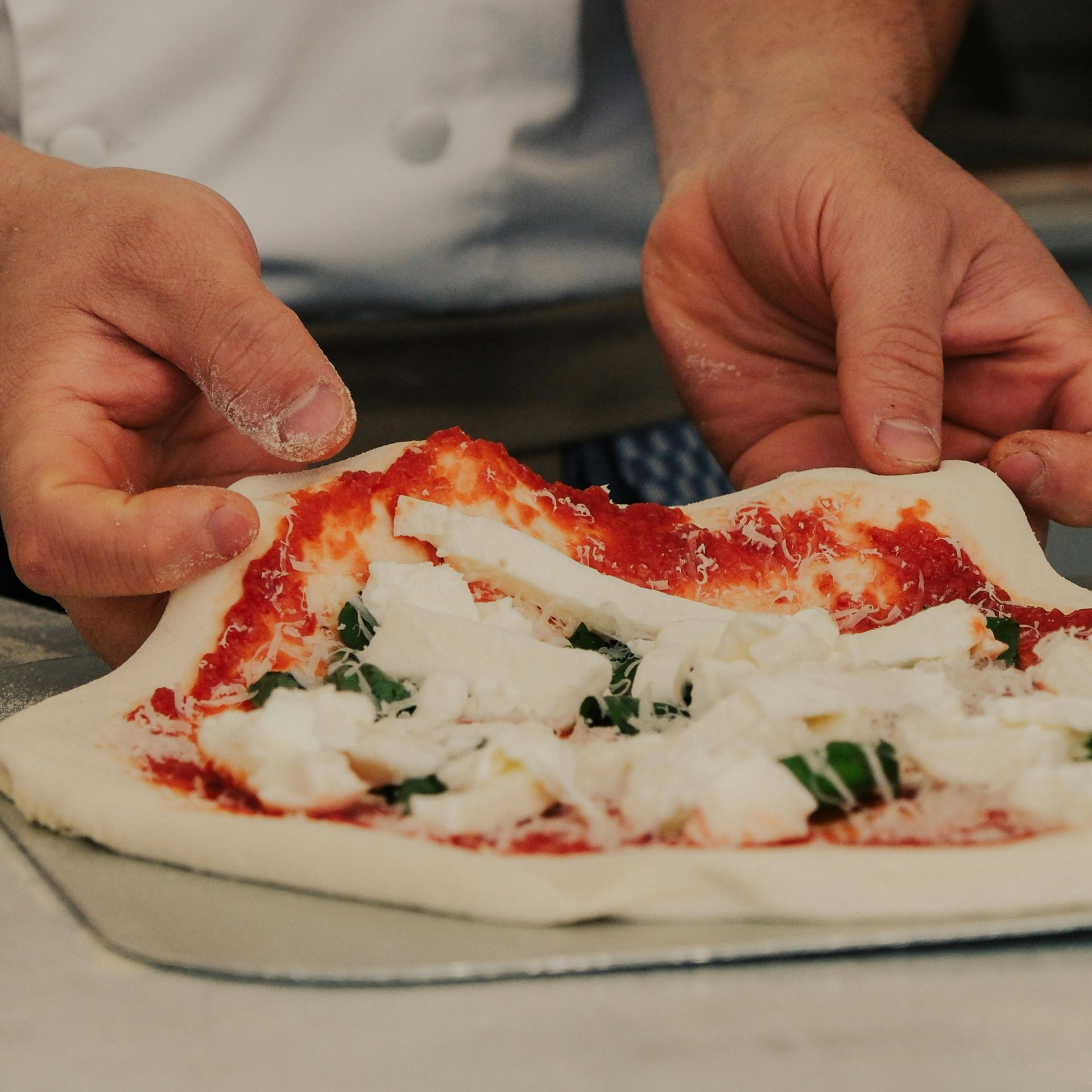
** — tomato, fior di latte mozzarella (or buffalo mozzarella), fresh basil and extra virgin olive oil.
Everything else — however delicious — is technically not pizza napoletana. That said, in Naples today you'll find countless creative variations. The rules are a foundation, not a prison.
##
The secrets of the dough
The dough is where everything begins — and where most home pizza attempts go wrong.
**
The flour
**
Authentic Neapolitan pizza uses type 00 flour — the finest grind available, producing a smooth, elastic dough that stretches without tearing. The protein content should be around 12-13% for the right gluten development.
**
The yeast
**
Very little yeast is used — as little as 0.1g of fresh yeast per kilogram of flour. This seems almost nothing, but it's intentional. Less yeast means slower fermentation, which means more flavour.
**
The water
**
Ideally cold water, to slow the fermentation and keep the gluten from developing too quickly. Naples' water is famously soft, which Neapolitans claim is one reason their pizza is impossible to fully replicate elsewhere.
**
The salt
**
Sea salt, added to strengthen the gluten network and enhance flavour. Never add salt and yeast at the same time — the salt will kill the yeast.
**
The hydration
**
Authentic Neapolitan pizza dough has a hydration of around 55-65% — meaning 550-650ml of water per kilogram of flour. Higher hydration makes a lighter, more open crumb.
**
The fermentation
**
This is the real secret. Authentic Neapolitan pizza dough ferments for a minimum of 8 hours — ideally 24 hours or more. This slow fermentation develops complex flavours, makes the dough more digestible and creates that characteristic lightness.
"The biggest mistake people make at home is rushing the dough," says Francesca. "You cannot rush Neapolitan pizza. The dough needs time. Give it time and it will give you everything."
##
The technique: stretching by hand
This is the moment that separates Neapolitan pizza from everything else — and the moment that makes people nervous in cooking classes.
There is no rolling pin in Neapolitan pizza. The dough is stretched by hand, using a specific technique that pushes the air from the centre to the edges, creating the characteristic high, airy cornicione (crust) while keeping the base thin and even.
It takes practice. In the beginning, your pizza will look more like a map of Italy than a perfect circle. That's fine. The taste will still be extraordinary.
The key is to be confident and decisive. Timid hands make thick, uneven pizza. Relax, trust the dough and let it stretch.
##
The ingredients
**
San Marzano tomatoes
**
The only acceptable tomato for pizza napoletana, grown in the volcanic soil of the Agro Sarnese-Nocerino area near Naples. They're sweeter, less acidic and more flavourful than regular tomatoes. Always use whole peeled tomatoes and crush them by hand — never blend them.
**
Mozzarella
**
Two options are accepted: fior di latte (cow's milk mozzarella) or mozzarella di bufala campana DOP (buffalo mozzarella). The buffalo version is richer and more complex, but also wetter — it needs to be drained before use to prevent a soggy pizza. Tear it by hand, never cut it.
**
Extra virgin olive oil
**
A generous drizzle before and after baking. Use good quality olive oil — it makes a real difference.
**
Fresh basil
**
Added after baking, not before. Heat destroys the delicate basil flavour.
**
Sea salt
**
A small pinch on the tomato before baking.
##
The baking
In Naples, pizza is baked in a wood-fired oven at 450-500°C for just 60-90 seconds. The extreme heat creates the characteristic leopard spotting on the crust — those dark spots that Neapolitans call "leopardatura" — and gives the pizza its slightly charred, complex flavour.
At home, you obviously can't reach these temperatures. But you can get closer than you think:
- Use a pizza stone or steel, preheated in the oven for at least an hour at maximum temperature (usually 250-300°C).
- Use the grill/broiler function for the last minute to get colour on top.
- Bake for 6-8 minutes total, watching carefully.
The result won't be identical to Naples, but it will be extraordinary.
##
How to eat Neapolitan pizza
In Naples, pizza is eaten immediately — standing at the counter or sitting at a simple table. It's not a meal for lingering over. It arrives, you eat it, you leave. The next customers are already waiting.
The pizza is soft enough in the centre to fold — the classic Neapolitan way of eating it is "a libretto" (like a book) or "a portafoglio" (like a wallet, folded in quarters). This keeps the toppings from sliding off and means you can eat it standing up.
Never ask for ketchup. Never put pineapple on it. These are non-negotiable.
##
Learn to make Neapolitan pizza with Mama's Experiences
The best way to understand Neapolitan pizza is to make it yourself — with someone who has been doing it their whole life.
Our host Francesca in Pompeii offers an authentic pizza-making class in her home kitchen, where you'll learn the dough, the technique, the toppings and the baking — and eat the results for lunch. It's one of our most popular experiences, and guests consistently say it changed the way they think about pizza forever.
👉
Book a Neapolitan pizza class with Francesca in Pompeii →
---