Wine Tasting in Tuscany: What to Expect (And Why It's Unlike Anything Else)
From Chianti cellars to hilltop vineyards — everything you need to know before your first Tuscan wine tasting experience.
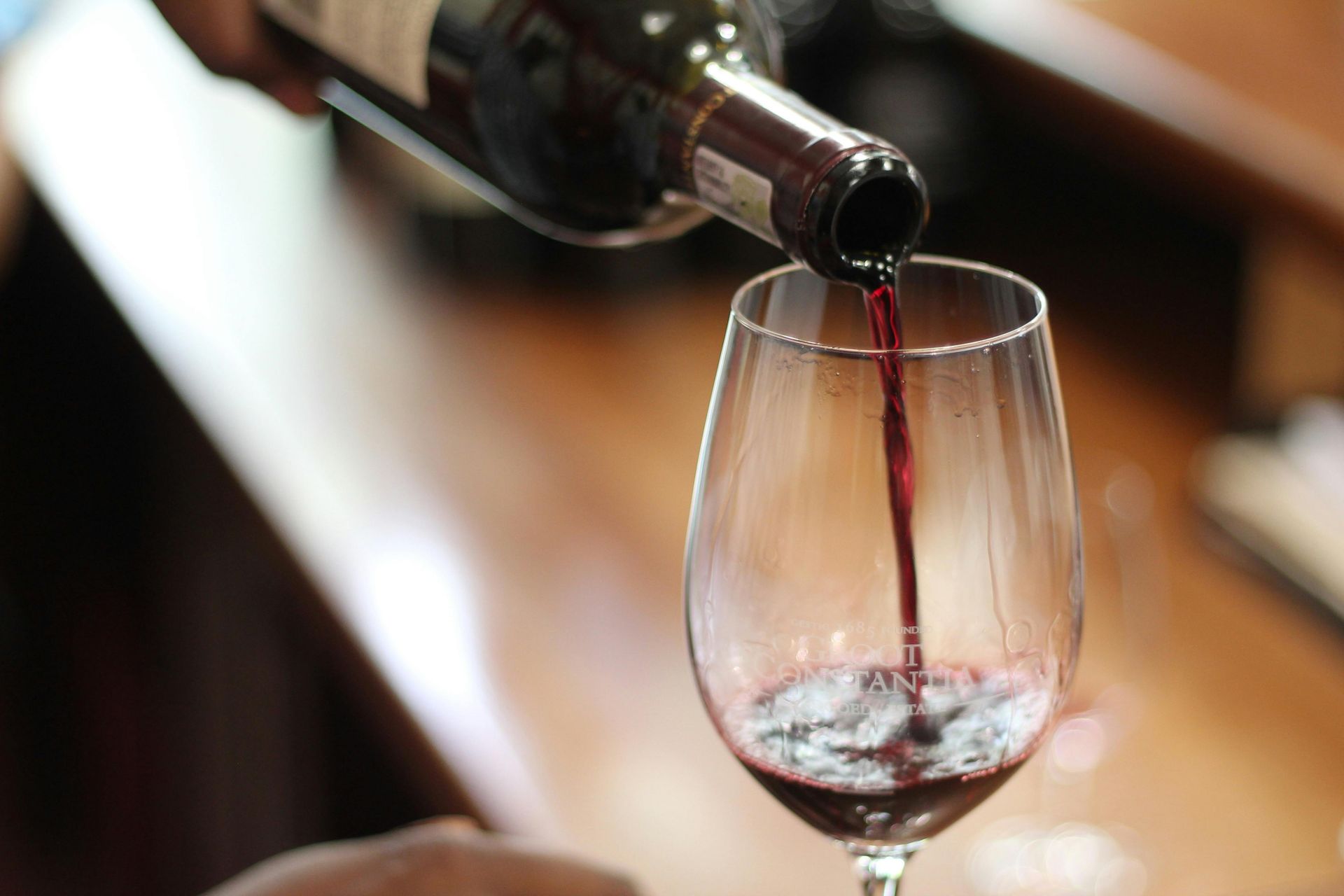
Tuscany is one of the world's greatest wine regions. Home to Chianti, Brunello di Montalcino, Vino Nobile di Montepulciano and Vernaccia di San Gimignano, it produces some of Italy's most celebrated and internationally recognised wines.
But visiting a winery in Tuscany is not just about the wine. It's about the landscape, the history, the people and the stories behind every bottle. Done right, a Tuscan wine tasting is one of the most memorable experiences you can have in Italy.
Here's everything you need to know.
##
What is a wine tasting in Tuscany?
A wine tasting in Tuscany typically involves visiting a winery or a cellar — called a cantina — where you sample a selection of wines produced on that estate. The tasting is usually guided by the winemaker, a sommelier or a family member who knows the wines intimately.
Depending on the experience, you might:
- Tour the vineyard and cellar before tasting
- Learn about the winemaking process from grape to bottle
- Taste 3-6 different wines, often paired with local food
- Buy your favourite bottles directly from the producer
The best tastings are the ones that feel like a personal invitation — not a tourist package, but a genuine encounter with the people who make the wine.
##
Which Tuscan wines should you try?
Tuscany produces dozens of excellent wines, but here are the ones worth knowing:
**
Chianti Classico
**
The most famous Tuscan red, made primarily from Sangiovese grapes grown between Florence and Siena. Look for the black rooster (gallo nero) on the label — it means the wine is certified Chianti Classico. It pairs beautifully with pasta, grilled meats and aged cheeses.
**
Brunello di Montalcino
**
One of Italy's finest reds — full-bodied, complex and age-worthy. Made exclusively from Sangiovese Grosso grapes around the hilltop town of Montalcino. It's not cheap, but tasting it at the source is an experience in itself.
**
Vino Nobile di Montepulciano
**
Elegant and structured, from the beautiful medieval town of Montepulciano. Often more approachable than Brunello, with lovely cherry and spice notes.
**
Vernaccia di San Gimignano
**
Tuscany's most famous white wine — crisp, dry and mineral, from the area around the famous tower town. Perfect with seafood, light pasta and aperitivo.
**
Supertuscans
**
In the 1970s, some Tuscan winemakers started blending Sangiovese with international varieties like Cabernet Sauvignon and Merlot. The result was a new category of bold, ambitious wines — the Supertuscans. Look for Sassicaia, Ornellaia or Tignanello if you want to try something truly special.
##
What does a typical wine tasting look like?
Every winery has its own approach, but most Tuscan wine tastings follow a similar structure:
**
Arrival and welcome
**
You're welcomed at the winery, often with a glass of sparkling wine or a local aperitivo. The host gives you a brief introduction to the estate and its history.
**
The vineyard or cellar tour (in some experiences)
**
Many tastings include a walk through the vineyard or a visit to the cellar, where you see the barrels and tanks where the wine ages. This gives important context to what you're about to taste.
**
The tasting
**
You sit down — either in a dedicated tasting room, a courtyard, or even on a terrace with views over the hills — and taste a selection of wines. The host guides you through each one, explaining the characteristics, the vintage and the food pairings.
**
Food pairing
**
Most tastings include at least some food — bread, olive oil, local cheeses, cured meats or bruschetta. More elaborate tastings offer a full meal with each wine paired to a different course. These are the most memorable experiences.
**
The shop
**
At the end, you're usually invited to buy bottles directly from the producer. Prices are often better than in shops, and you're buying wine you've actually tasted.
##
How much does a wine tasting in Tuscany cost?
Prices vary widely depending on the type of experience:
- **
Basic tasting (3-4 wines)
:** €15-€30 per person
- **
Tasting with cellar tour
:** €25-€50 per person
- **
Tasting with food pairing
:** €50-€100 per person
- **
Private tasting with winemaker
:** €80-€150 per person
- **
Full experience with cooking class and wine
:** €120-€200 per person
The most memorable experiences are not always the most expensive ones. A tasting with a small family producer who is passionate about their wine will often be far more meaningful than a polished tour at a famous estate.
##
When is the best time for a wine tasting in Tuscany?
Tuscany is wonderful year-round, but each season offers something different:
**
Spring (April-June)
:** Beautiful green vineyards, mild weather, fewer tourists. Ideal for outdoor tastings on terraces.
**
Summer (July-August)
:** Hot and busy, but the light is magical. Book in advance as wineries fill up quickly.
**
Harvest (September-October)
:** The most exciting time to visit. You can see the harvest in action, taste the new wines and feel the energy of the season. Highly recommended.
**
Winter (November-March)
:** Quiet and atmospheric. Some wineries reduce their hours, but those that stay open often offer more personal, intimate experiences.
##
How to find an authentic wine tasting in Tuscany
The difference between a tourist wine tasting and an authentic one comes down to one thing: the people.
At Mama's Experiences, we work exclusively with local producers and passionate hosts who share their wines and their stories with genuine enthusiasm. Our wine tastings are not scheduled events — they're personal invitations into someone's world.
Whether you want a relaxed afternoon tasting Chianti on a hillside terrace or a full day combining a vineyard tour, cooking class and wine pairing dinner, we'll find the right experience for you.
👉
[Discover our wine tasting experiences in Tuscany →]
## A few tips before you go
- **Don't drink on an empty stomach.** Always eat something before a wine tasting.
- **Spit if you need to.** It's perfectly acceptable and actually recommended if you're tasting many wines.
- **Ask questions.** Winemakers love talking about their wine — don't be shy.
- **Take notes.** Even a simple note on your phone will help you remember your favourites.
- **Buy a bottle.** Supporting small producers directly is one of the best things you can do as a traveller.
---